Milonga or práctica: what is the difference?
Tango listings use a few words that look alike but describe very different evenings.
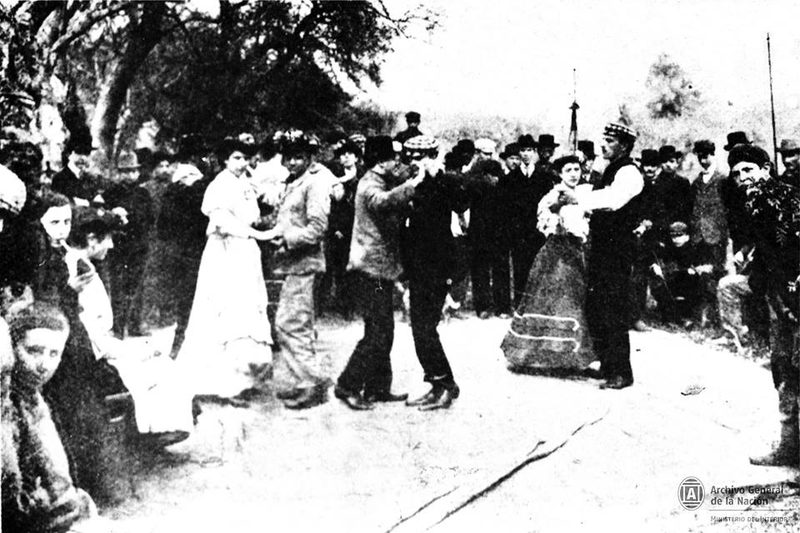
Milonga
A milonga is the main social event. The music is played in tandas, the dancers follow the line of dance, and the codes of the cabeceo and the cortina apply. People dress a little smarter and the evening usually lasts several hours.

Práctica
A práctica is an informal practice session. The atmosphere is more relaxed, you can try new things and ask your partner for feedback. The rules are lighter, the music is often a continuous playlist, and a short class is sometimes included.
Class and workshop
A class has a teacher and covers a topic step by step. A workshop is a longer, one-off session on a single subject. Many milongas offer a short class before the dancing starts.
Which one should you choose?
If you are new, start with a class and a práctica to get comfortable, then go to a milonga when you are ready to dance in the social setting. If you already dance, a milonga is the place to enjoy the full tango evening.
Ready to dance? See the milongas on today: Milongas today · All upcoming events